

If this post resonates with you,
please Like or Share it.
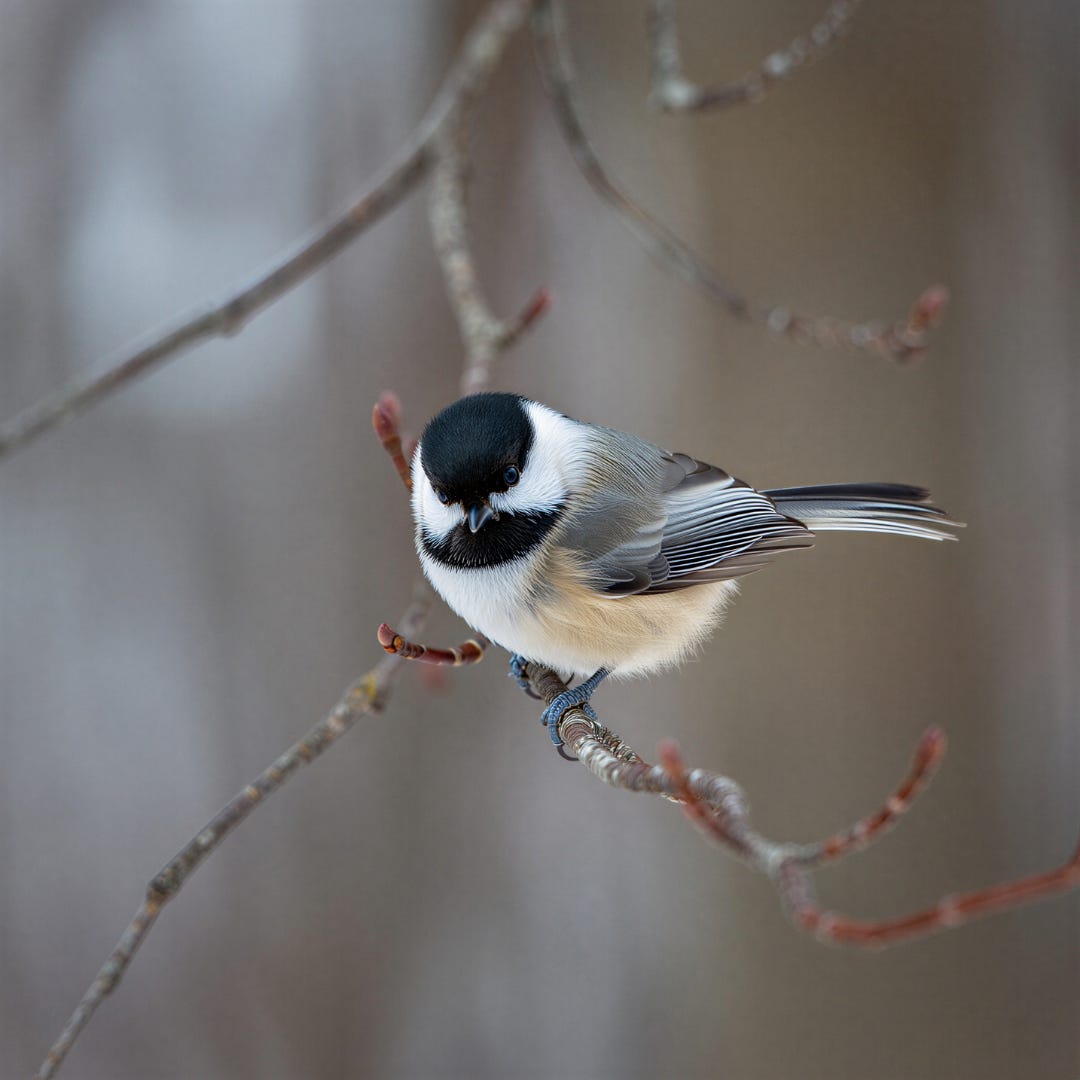
“I already love nature,” people tell me. “I feel so connected when I see the mountains.”
I understand. I used to think this was enough, too.
Loving nature is wonderful. Feeling peaceful by water, moved by a sunset, outraged when corporations dump pollution into rivers. These responses matter. They show that something in you is still awake to the world.
But this is not ecospirituality.
The Difference Between Appreciation and Relationship
You can love mountains from a distance without knowing the name of a single plant on your block.
You can feel connected to “nature” as a concept while treating the actual beings around you as a backdrop. You can grieve for rainforests you will never visit while ignoring the oak tree you pass every morning.
This is appreciation. It is real, and it matters. But it is not relationship.
Ecospirituality is something else entirely.
Ecospirituality is direct, embodied relationship with the living Earth. Not Earth as concept or metaphor. Not nature as scenery for human experience. But the actual plants outside your door. The birds on your morning walk. The particular soil, water, and weather of the place where you live.

It is the practice of remembering ourselves back into an intimate, sacred relationship with the rest of the living world.
From “Things” to “Beings”
Here is where ecospirituality differs from environmentalism.
Environmentalism holds that pollution in rivers is wrong because it harms ecosystems and human health. This is true and important. We need people fighting for clean water, for policy change, for accountability.
Ecospirituality holds something different.
It asks you to sit with the fish. The frogs. The trees along the banks. To know them as beings, not things. To grieve with them, not just for them.
This is the shift: from “these things suffer” to “these living beings suffer.” In a way, it reminds us that these living beings are like me, a fellow living being.
From objectification to subjectification. From concern about nature to relationship with specific living others. The fish in that river is not an abstraction. It is a being with its own life, its own experience, its own living place in the web of existence.
When I made this shift, something fundamental moved in me. I bet it will move in you, too.
You stop treating the natural world as a cause to support and start treating it as kin to know. You stop speaking for nature and start listening to it. You stop loving “nature” in general and start being in relationship with particular beings in specific places.
We stand up for the ones we care for, the ones we are connected to, the ones we see as “one of us.”
What Shifted for Me
I studied ecospirituality for years before I actually felt it.
I read the books. I understood the concepts. I could explain the difference between anthropocentric and ecocentric worldviews. But understanding is not the same as relationship.
The shift happened on the Aubrac Plateau in France, walking the ancient Le Puy route of the Camino in 2022.

The Aubrac is vast. Rolling grasslands, ancient stone villages, cattle grazing the same pastures their ancestors grazed for centuries. Very few people. No billboards. No noise except wind, bells, and birds.
What struck me was not the beauty, though it was beautiful. What struck me was the way people there lived in relationship to the land. Not as tourists or consumers of scenery. As participants in a web of mutual belonging that had continued for generations.
The land was not backdrop. It was home. The cattle were not products. They were beings with lives and rhythms. The farmers were not separate from nature. They were part of it.
Something in me recognized this. Not as a new idea, but as something I had forgotten. Something my body remembered even when my mind had not.
That is when appreciation became relationship. That is when ecospirituality stopped being a concept and started being a practice. This happened even before I had words to describe it.
What Ecospirituality Is Not
Let me be clear about what I am not describing.
Ecospirituality is not worshiping nature. It is not replacing one set of deities with another or returning to some romanticized past.
It is not performative environmentalism dressed in spiritual language. It is not a wellness trend to optimize your morning routine. It is not something you accomplish by buying the right products or posting the right content.
It is not opposed to existing traditions. You need not leave your faith to practice ecospirituality. You do not need to adopt someone else’s tradition, either.
What you need is the willingness to be in relationship. To let the living world become not something you appreciate from a distance, but something you know and are known by.
The Practice, Not the Belief
Ecospirituality is not something you believe. It is something you practice.
You practice it when you learn the name of the tree outside your window and then spend time with that specific tree, not trees in general. You practice it when you notice the birds who share your neighborhood and begin to recognize their voices. You practice it when you acknowledge the land you are standing on as alive, not as scenery.
Ecospirituality is the shift from “the birds that share my neighborhood” to “the bird who share my neighborhood.”
You practice it when you stop saying “I love nature” and start saying “I am learning to know this oak, this crow, this patch of sky.”
The shift from general to specific is everything. Ecospirituality cannot happen when we do not have direct connection with a living being. It requires particularity. It requires showing up, again and again, to the same place, the same beings, until relationship forms.
This is not dramatic. It is not mystical in the way people often imagine. It is simply what happens when you treat the living world as alive and worthy of your attention.
A Practice for This Week
This week, I invite you to learn the name of one plant, tree, or bird near where you live.
Not nature in general. One specific being.
Then spend some time with them. Not observing it as an object of study. Being with them (or him or her) as a living presence. Notice their shape, movement, and response to weather. Notice how he changes throughout the day. Notice what happens in you when you stop treating her as a thing and start treating them as a being.
You do not need to travel to a sacred wilderness. You do not need extensive training. You need attention, patience, and willingness to be changed by what you encounter.
The scrubby tree on your block can teach you. The crows who watch you walk to work have something to say. The changing light through your window marks a liturgy older than any human calendar.
A Question for You
What is one being near you that you have started to know, not just notice?
Maybe it is a tree you pass every day. A bird whose call you recognize. A patch of sky you watch from your window.
Tell me about it in the comments. I would love to hear who is becoming known to you.
Do You Feel Called to a Deeper Relationship with the Living Earth?
This is what we focus on in Rewilding the Soul, the year-long EcoSpirituality Certificate offered through Cherry Hill Seminary, beginning in March.
We spend a full year developing direct relationship with the living beings and landscapes where we actually live. But you do not need a program to begin.
You can begin today. Learn one name. Spend time with one being. Let relationship form.
The living world has been waiting for you to show up.

Walk With Me
If this resonates, I invite you to subscribe to Where Insight Meets Earth, my weekly reflections on contemplative walking, ecospirituality, and embodied practices for navigating what overwhelms us