

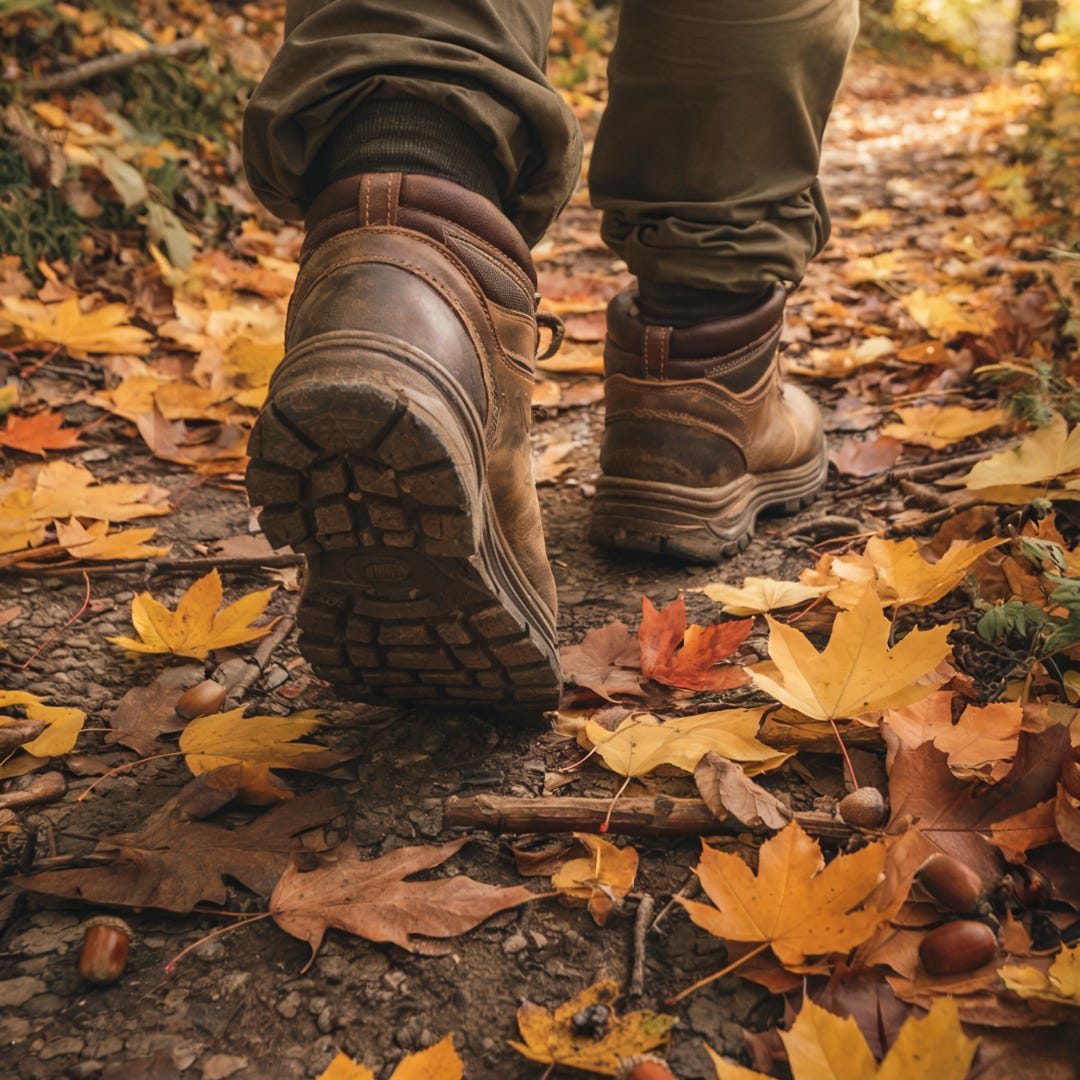
There wasn’t a single moment when I realized something had shifted.
It happened gradually, like autumn leaves changing color—imperceptible day by day, but unmistakable when you finally look up and notice the forest has transformed. My understanding of gratitude had quietly evolved from thanking a single god for good things while blaming humans for the bad, to something far more complex, embodied, and honest.
The traditional Thanksgiving “grace” I’d grown up with had become a performance. Say the right words. Thank the proper deity. Perform appreciation on cue. The ritual felt increasingly hollow as my spiritual practice deepened and my questions grew.
What if gratitude isn’t about thanking something for something else? What if it’s about recognizing relationship itself?
When Gratitude Required Permission
Ecophilosopher Joanna Macy taught me something that changed everything about how I think about gratitude: gratitude is an invitation, not a requirement. You cannot force authentic thanksgiving any more than you can command a seed to grow.
This matters especially during holidays like Thanksgiving, when family histories, political realities, and religious differences add enormous pressure to perform gratitude we may not genuinely feel. The expectation to be grateful, to produce the right feelings at the right moments, actually prevents real gratitude from emerging.
Macy’s Active Hope framework distinguishes between passive waiting and engaged intention. True gratitude works the same way. It’s not a feeling we manufacture. It’s a practice we embody. It emerges from our relationship with the world, not from our willpower.
The shift began when I stopped trying to be grateful to or grateful for, and started walking with gratitude.
What Medieval Pilgrims Knew
Pilgrims on the ancient routes of France and Spain didn’t carry gratitude journals.
They practiced thanksgiving with their feet. Every step an expression of being alive. Every breath an acknowledgment of air that fed them. Every mile an offering of presence to the land that held them.
This wasn’t metaphorical spirituality. This was embodied practice.
Their gratitude wasn’t directed at a single deity demanding thanks. It was expressed through a relationship with the path, with the land, with the more-than-human world that sustained their journey. Walking became their prayer. Movement became their thanksgiving.
They understood something our culture has forgotten, that gratitude lives in the body, not just in the mind.
The Gratitude That Cannot Be Forced
In my work as a University Chaplain at NYU, I see students constantly wrestling with performative gratitude. They’ve been taught to make lists, to count blessings, to manufacture appreciation as another self-improvement task.
When this doesn’t work, when the lists feel empty, and the blessings feel forced, they assume they’re failing at gratitude. They think something is wrong with them.
But nothing is wrong. Cognitive exercises about gratitude bypass the body. They keep thanksgiving locked in the mind, where it easily becomes another obligation to perform correctly.
Real gratitude emerges when we stop forcing it and start embodying it.
Walking as Thanksgiving
On the Le Puy Camino de Santiago in France, I don’t require participants to express gratitude in any prescribed way. Instead, I invite them into various prompts connected with the wonders of the natural world—invitations to consider things differently, not requirements to feel specific emotions.
Why? Because gratitude cannot be forced.
When I walk, I practice what Macy calls Active Hope, not waiting passively for good feelings, but actively engaging with what’s actually present. Some days that means joy. Some days that means grief. Some days it means simply acknowledging that I’m here. I’m walking. I’m alive.
My morning practice includes thanking the gods for health and happiness. But I’ve learned over the years that thanksgiving deepens when I move it from words into action through my InterSpiritual Meditation practice, volunteering with Wikipedia and the Wikimedia Movement, and board service and nonprofit work.
For me, gratitude translates into reciprocity. Not karma in a religious sense, but in the original meaning: action that recognizes mutual dependence. I receive life from this world. I give back what I can.
The Practice: Walking Your Thanksgiving
Here’s what this can look like practically:
Take fifteen minutes this week to walk without an agenda. No headphones. No destination. No trying to manufacture the “right” feelings.
Just notice your feet touching ground. Your breath moving. The natural world around you, such as trees, birds, sky, and earth, holds you in relationship.
Don’t force gratitude. Don’t perform appreciation. Just walk with awareness of being alive in this moment, held by forces beyond your control, participant in a web of life that includes every being.
Sometimes gratitude will arrive as lightness. Sometimes as tears. Sometimes as quiet acknowledgment. Sometimes as nothing at all beyond presence, walking, or being.
All of it counts. All of it is practice. All of it is honest thanksgiving.
The Invitation Thanksgiving Offers
Thanksgiving arrives at a threshold moment in the year. Autumn deepens toward winter, harvest transitions toward rest. It’s a time when our understanding of gratitude can shift without the pressure of forced performances.
The holiday invites us to deepen into our own personal experiences of thanksgiving, freed from societal expectations about how gratitude should look or feel.
What if this year, instead of (or in addition to) saying grace around a table, you walked your gratitude? What if thanksgiving became something you did with your body, not just something you said with your mouth?
Words sometimes fail to express what the heart holds. When language runs out, steps speak. When performance exhausts, presence restores.
Your feet know how to give thanks. Your body understands reciprocity. The path remembers how to hold you.
This Thanksgiving, let your walking be your grace. Let movement be your offering. Let your body express what your mind struggles to articulate.
That’s the practice. Simple. Accessible. True.
Walk With Me
If this resonates, I invite you to subscribe to Where Insight Meets Earth. Each week I share reflections on contemplative walking, ecospirituality, and deepening kinship with the more-than-human world—for seekers moving from digital overwhelm to grounded presence.
Hit reply anytime. I read and respond to every message.
Walking beside you,
Jeffrey
P.S. If you’re drawn to deepen this practice with others, I’m leading a contemplative walking retreat on France’s ancient Le Puy Camino route in September 2026. We’ll walk together for eight days, practicing thanksgiving with our feet on paths pilgrims have walked for over a thousand years. Learn more about the retreat here.
I love this perspective!❤️