

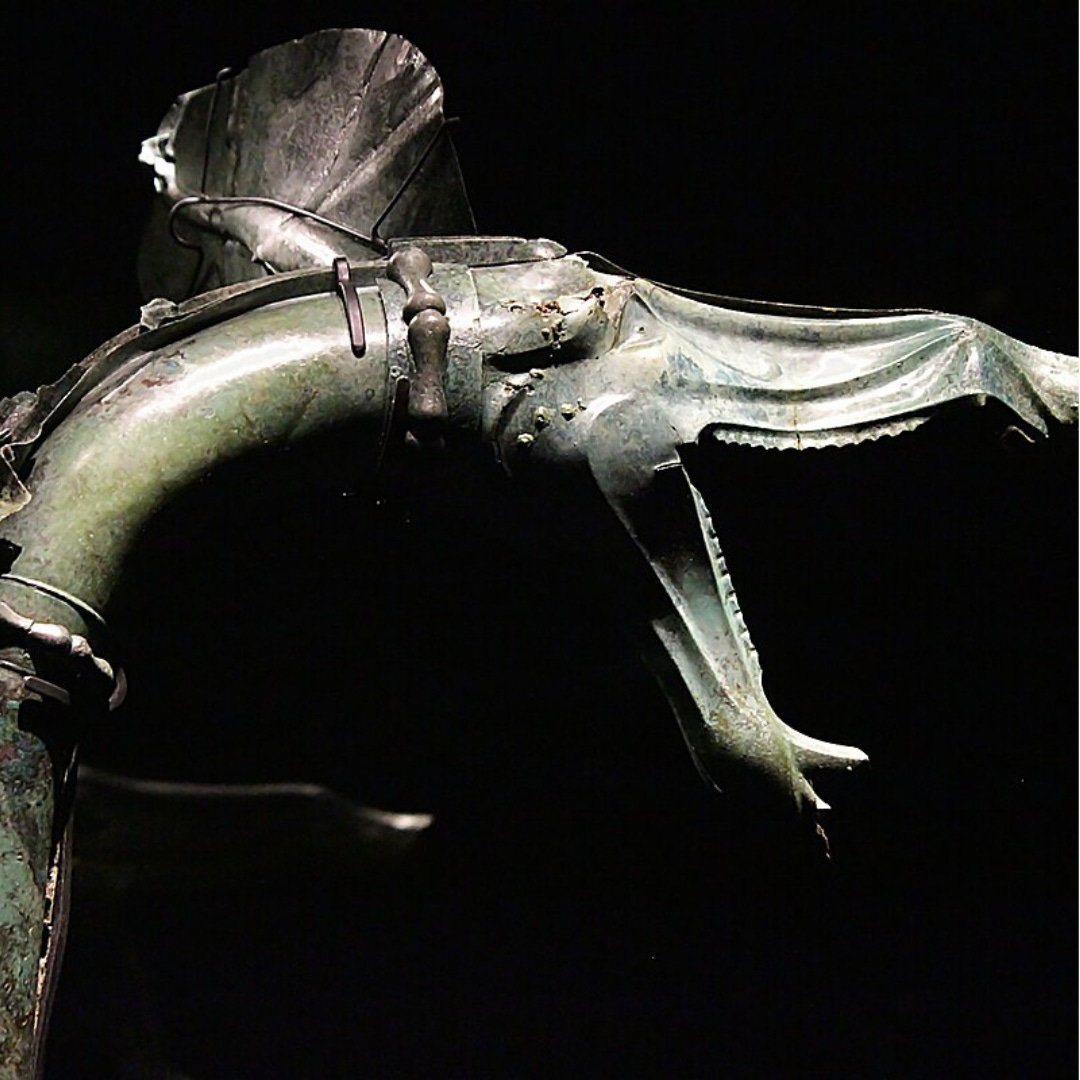
Paris is named after the Parisii.
Most people walking through the city don’t know this. The Gaulish tribe who lived there before Rome conquered Gaul. Before Caesar’s legions swept through and absorbed ancient peoples into empire.
The Parisii. Say their name aloud. Let it remind you that this land had original peoples. First peoples. Native peoples. Indigenous peoples.
I didn’t always understand my connection to French land. For years, I walked the Camino through France without knowing why I felt called there so strongly. Why the landscape welcomed me differently than land in New York. Why I kept returning.
Then the Gaulish deities called me. Ucuetis. Cathubodua. Beings connected to the land itself, to the people who lived in relationship with it before commodification, before resource extraction, before exploitation became economic system.
My ordination as Wild Guide happened because of this call. This connection to French land and its ancient peoples.
Vercingetorix and the Pattern of Defeat
Vercingetorix is a symbol for me.
The final leader of the Gaulish tribes when they were defeated by Julius Caesar in the Gallic Wars. He united the tribes. He fought for freedom. He resisted empire with everything he had.
He lost.
The Gauls were absorbed into Rome. Their language disappeared. Their practices were replaced. Their relationship with land was transformed into Roman property systems.
History was written by those who won, as it always is.
But here’s what Day 7 asks us to notice, this pattern didn’t start in recent centuries. Indigenous displacement has happened across the Earth for millennia.
The Parisii were displaced 2,000 years ago. Contemporary indigenous peoples face displacement today. The timeline stretches back further than most people recognize.
Acknowledging ancient peoples reminds us we’re part of a very long pattern. Not the beginning of something new.
What All Indigenous Peoples Share
All indigenous peoples globally seem to share certain connection with their local lands.
The Gaulish tribes. Native American nations. Aboriginal Australians. Indigenous peoples everywhere. They didn’t commodify land the way empire does. They didn’t extract resources as if the Earth were warehouse rather than kin.
This isn’t romanticizing, it is pattern recognition.
When Gaulish deities called me to this work, I began understanding: my spiritual connection to French land connects to the indigenous Parisii who lived in relationship with that land before Rome arrived. Before Christianity replaced their practices. Before “development” became goal.
The beings in France welcome me more than beings in New York. I don’t fully understand why. But I go where I feel called. My spiritual history develops in unexpected ways—even Christianity is based in the Middle East where it barely exists now.
So I walk the French Camino repeatedly. I acknowledge the Parisii. I honor Vercingetorix’s resistance. I recognize the pattern.
What This Means for You
Here’s your practice today: learn whose land you’re on.
Whether ancient peoples absorbed millennia ago or contemporary indigenous nations still fighting for sovereignty. Both matter. Both deserve acknowledgment.
If you live in North America, use native-land.ca to find whose traditional lands you occupy. Say their names aloud. Learn one thing about them today.
If you live in Europe, dig deeper into ancient peoples. Who lived where your city stands before Rome? Before other empires? What happened to them?
If you live elsewhere, find the indigenous peoples of your place. Learn their names. Acknowledge them.
This is beginning relationship with the actual history of place.
For me, that means acknowledging the Parisii every time I walk through Paris. Honoring Vercingetorix’s resistance. Recognizing that my spiritual call to French land connects to peoples who were displaced when empire decided their land should become property.
History is written by winners. But we can choose to remember those who lost. To say their names. To acknowledge their relationship with land that empire tried to erase.
Tomorrow
Tomorrow, we practice gratitude to the land. But that gratitude will be deeper because today you acknowledged whose land it actually is.
For now, learn one name. Say it aloud. Begin the practice of genuine acknowledgment.
The Parisii. The original peoples of Paris. Displaced 2,000 years ago but still deserving recognition.
Who are the original peoples of your land?
I’m developing a 13-Day EcoSpirituality Challenge and sharing what I’m learning here. Tomorrow: gratitude to the land. If you’d like to practice along, consider subscribing for reflections on EcoSpirituality, sacred walking, and acknowledging indigenous peoples.
Whose land are you on? I’d love to hear in the comments below.
Thank you for sharing this. Often overlooked!